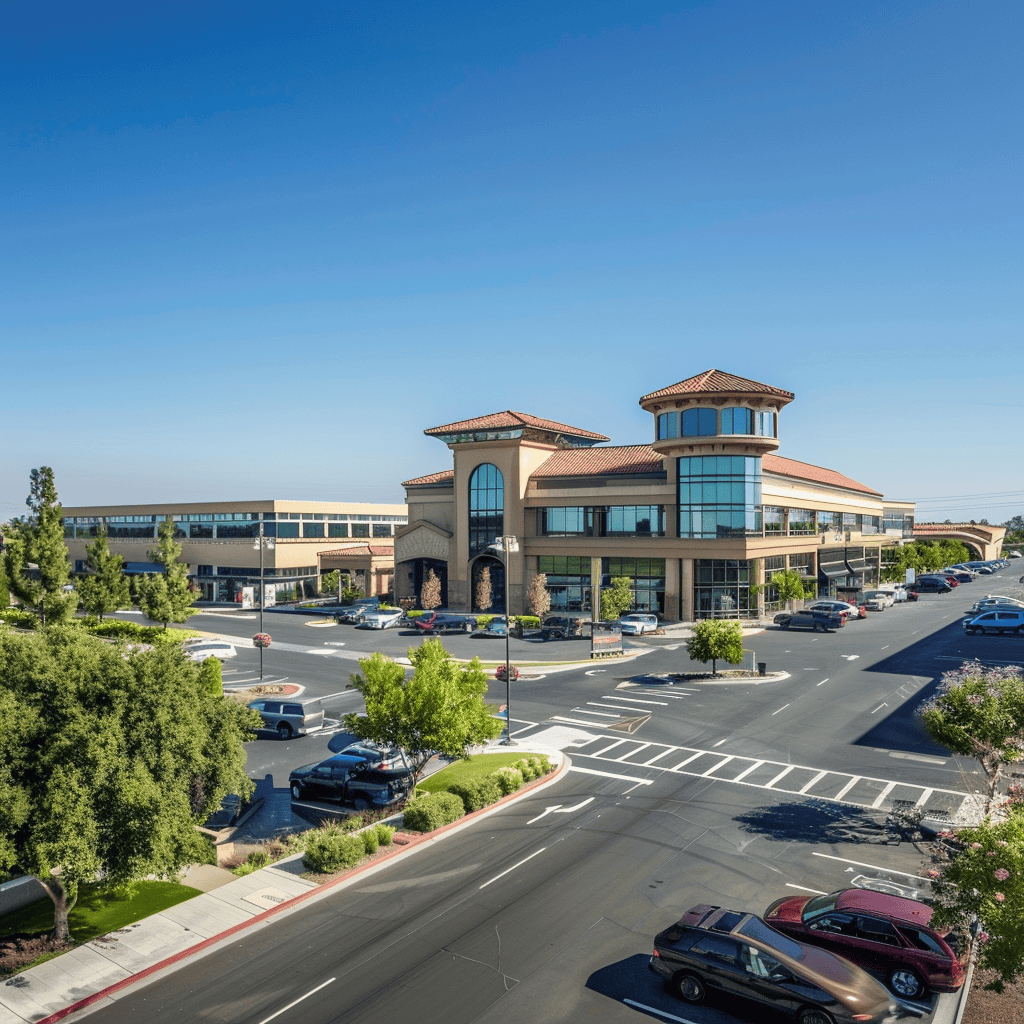
The Comprehensive Guide to Rancho Cordova
History of Rancho Cordova
Early Settlement and Development
Rancho Cordova’s origins are deeply rooted in California’s Gold Rush era, initially established in the mid-19th century as a modest service area for travelers. Predominantly rural in the late 1800s, the area supported agriculture and livestock farming, thriving thanks to its fertile soil and proximity to the American River. The name “Rancho Cordova” originates from a Spanish land grant meaning “Cordova Ranch.”
Key Milestones:
Transportation: The 1870s railroad significantly boosted local development by connecting the community to the broader Sacramento region.
Agricultural Growth: Known for orchards, especially grapes and fruit trees, fostering a close-knit community atmosphere centered around agriculture.
Incorporation as a City
On July 1, 2003, Rancho Cordova officially incorporated as a city due to its growing population and changing demographics, gaining autonomy and access to increased funding for public infrastructure.
Highlights of Incorporation:
Community Involvement: Active resident participation shaped the city’s governance.
Advantages: Improved public services, including roads, parks, and emergency response.
Economic Growth: Streamlined regulations attracted new businesses and residents, enhancing economic opportunities.
Geography and Demographics
Location and Topography
Nestled in Sacramento County, Rancho Cordova offers scenic beauty enhanced by the American River to the north, providing recreation and picturesque landscapes.
Notable Features:
Population Characteristics
With a population exceeding 75,000, Rancho Cordova showcases remarkable diversity in age, ethnicity, and education.
Demographic Insights:
Young Population: Predominantly working-age residents and young families.
Cultural Diversity: Ethnic groups include Hispanic, African American, Asian, and Caucasian communities.
Education Levels: Many residents possess college degrees, supporting a skilled workforce.
Attractions in Rancho Cordova
Mather Regional Park
Spanning over 400 acres, this popular park offers extensive trails, play areas, and abundant wildlife viewing opportunities, making it ideal for families.
Sacramento Children’s Museum
An interactive museum emphasizing playful learning through creative exhibits and engaging workshops designed specifically for young children.
American River Parkway
A scenic 30-mile corridor popular for hiking, cycling, fishing, and kayaking, providing residents a nature-filled escape.
Economic Profile
Major Industries
Rancho Cordova boasts a diverse economy supported by sectors like technology, manufacturing, healthcare, and retail services.
Industry Highlights:
Technology and Innovation: Home to startups and established IT firms.
Manufacturing: Electronics and machinery manufacturing flourish due to strong infrastructure.
Healthcare Services: Significant employment provided by hospitals and medical facilities.
Retail Sector: Diverse shopping options fulfill local residents’ daily needs.
Employment Statistics
The city enjoys low unemployment rates, a skilled workforce, and commuter-friendly infrastructure.
Employment Breakdown:
Technology: 20%
Healthcare: 15%
Manufacturing: 25%
Retail: 10%
Others: 30%
Community Events and Activities
Annual Festivals
Rancho Cordova hosts vibrant events such as:
Fourth of July Celebration: Spectacular fireworks and family entertainment.
Cordova Community Food Festival: Local culinary delights and crafts.
Sacramento International Film Festival: Promotes local filmmaking talent.
Recreational Opportunities
Residents benefit from numerous parks, sports leagues, and nature trails, promoting community health and wellness.
Dining and Culinary Scene
Popular Restaurants
Rancho Cordova offers diverse dining options:
The Silver Skillet: Famous for breakfast comfort food.
Nello’s Place: Renowned Italian cuisine.
El Gran Taco: Authentic Mexican favorites.
Nico’s Mexican Food: Quick, flavorful bites.
Local Food Specialties
Local cuisine emphasizes farm-to-table freshness, California-style pizzas, craft beers, and gourmet tacos.
Education and Healthcare Facilities
Schools and Educational Institutions
Rancho Cordova’s schools, under Folsom Cordova Unified School District, are celebrated for dedicated teachers and extracurricular activities, supported by nearby higher education institutions like American River College.
Medical Centers and Hospitals
Healthcare facilities include California Medical College, Mercy Hospital of Folsom, urgent care clinics, and specialized medical centers, all emphasizing quality care and community wellness.
Real Estate Market Overview
Housing Trends
High demand driven by family-friendly appeal and new residential projects featuring sustainable living.
Property Prices and Affordability
Average home prices are around $450,000, marking affordability within Sacramento County. Rental options and homebuyer assistance programs further enhance accessibility.
Transportation Infrastructure
Road Networks
Rancho Cordova benefits from extensive road infrastructure, including Interstate 50, major streets like Sunrise Boulevard, and plentiful parking.
Public Transportation Options
Residents have access to Sacramento Regional Transit (light rail), extensive bus services, ride-sharing, and dedicated bike paths, providing various commuting options.
Future Development Prospects
Infrastructure Projects
Upcoming developments include road improvements, expanded public transit, new parks, and smart city initiatives aimed at enhancing quality of life and connectivity.
Economic Growth Expectations
Anticipated business expansions, job creation, and increasing residential influx position Rancho Cordova for continued economic prosperity and community enrichment.
Rancho Cordova stands as a dynamic city blending rich history, diverse communities, vibrant culture, and exciting future prospects—a truly welcoming place to live, work, and thrive.