Introduction
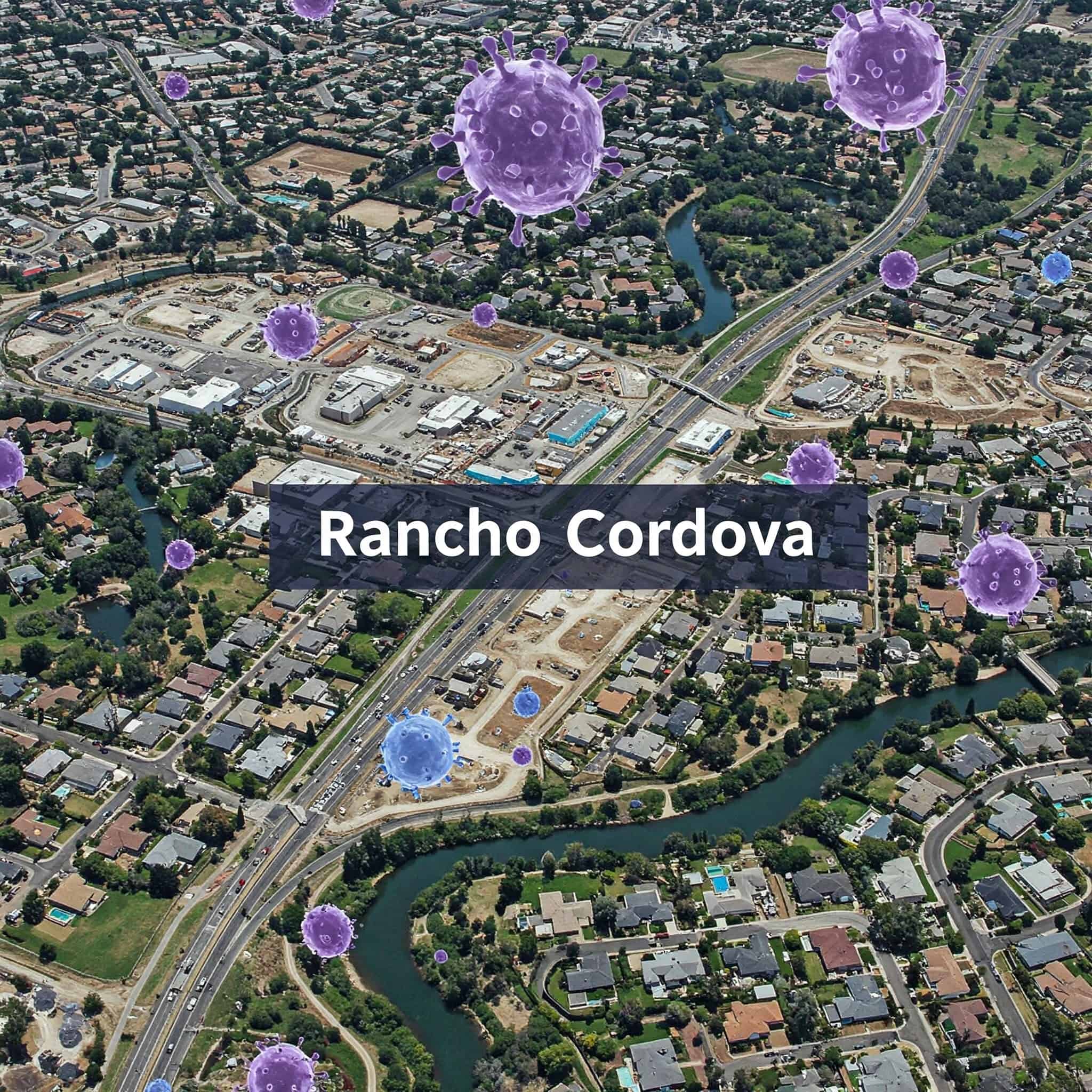
Rancho Cordova is booming. In the last two decades, this Sacramento suburb has seen its population skyrocket by over 50% (Rancho Cordova, CA Population by Year – 2024 Update | Neilsberg). New neighborhoods are popping up, businesses are moving in, and construction is everywhere. While that growth is exciting, it also comes with some side effects that are literally in the air.
Many residents are noticing hazier skies and dustier homes. What’s going on? This blog post dives into how Rancho Cordova’s rapid expansion is affecting air quality, and what that means for the air inside your home. We’ll keep it casual and clear, so grab a cup of coffee and let’s chat about the dust bunnies in the room.
Urban Expansion and Deteriorating Air Quality in Rancho Cordova
Rancho Cordova’s growth spurt isn’t just about more people and houses—it’s changing our environment, too. Urban expansion often leads to something called “urban sprawl,” where development spreads outwards. More homes and more roads mean more cars on those roads, and all those vehicles contribute to air pollution (think exhaust fumes and particulate matter). In fact, environmental groups have pointed out that the Sacramento region’s sprawl (including in Rancho Cordova) has led to heavy automobile dependency and related air quality problems (Sprawl monitor: Sacramento’s leading environmental protection nonprofit sees growing interest in demanding smarter growth – ECOS). More cars and trucks on Highway 50 and local streets means more smog and fine particles floating around in the air we breathe.
Another factor is the loss of open space. Building new subdivisions sometimes means clearing trees or fields that once helped clean the air. Less greenery can mean fewer natural air filters. Plus, as the local economy and population grow, there’s increased movement of goods and people, which officials worry can lead to higher emissions (CitizenPortal.ai – Rancho Cordova and Sacramento collaborate on community air quality monitoring initiative).
Have you ever looked towards downtown Sacramento on a hot summer day and seen a brownish haze? That’s the kind of regional air quality challenge we’re talking about. Rancho Cordova might not have giant factories pumping out smoke, but all these little sources of pollution—cars, construction equipment, even lawn mowers—add up.
How Outdoor Pollution Becomes Indoor Air Issues
So, all that outdoor pollution is hanging around—what does that mean for inside your house? A lot, actually. Outdoor air doesn’t stay outside. It sneaks in through every little opening: when you open the door, when you crack a window for a breeze, or even through tiny gaps in your home’s insulation. According to the EPA, outdoor pollutants can enter buildings through open doors, open windows, ventilation systems, and cracks in structures (Indoor Air Quality | EPA’s Report on the Environment (ROE) | US EPA). That means any dust, smoke, or smog outside can ride the breeze right into your living room.
Once inside, these pollutants tend to stick around. We spend about 90% of our time indoors, and studies show indoor air pollutant levels can be 2 to 5 times higher than typical outdoor concentrations (Indoor Air Quality | EPA’s Report on the Environment (ROE) | US EPA). Surprised? It makes sense when you think about it—your home is like a box that can trap stuff in. If you’ve got outdoor dust blowing in and then you shut the windows, that dust settles in your carpet or on your shelves. And it doesn’t magically vanish; it builds up.
Even everyday allergens from outside can become indoor problems. Pollen from all those new trees and landscaping in Rancho Cordova’s developing neighborhoods can drift into your house and settle on surfaces. Ever noticed a fine layer of yellowish pollen on your car in spring? Imagine that in your home. Similarly, if the air outside is full of vehicle exhaust or smoke (like during wildfire season), those particles can seep indoors and impact the quality of the air your family is breathing.
(File:Dust Particles.jpg – Wikimedia Commons) Dust particles visible in a home – Even when you don’t see it, the air inside your home may contain tiny dust and pollution particles. Outdoor dust and smog can enter through doors and windows and settle on your furniture and floors as indoor dust. Over time, this build-up contributes to stale or unhealthy indoor air. Keeping these particles out (or cleaning them up quickly) is key to maintaining fresh indoor air quality.
Population Density, Construction, and the Indoor Dust Factor
Rancho Cordova’s not just getting more people—it’s also getting a lot of new construction. New housing developments, road expansions, and commercial buildings are all part of a growing city. But construction can kick up a ton of dust. Think about the last time you drove by a construction site – all that dirt and debris has to go somewhere, and often it ends up in the air. If you live nearby, that means a fine layer of construction dust might settle on your windowsills or find its way inside. One study noted that surging urbanisation and infrastructure development has been accompanied by an alarming increase in air pollution, with construction dust being a major contributor (Impact of construction dust and pollution on air quality | Thermal Control Business Update | HVAC-R Industry).
Higher population density can also mean more particulate matter in general. More cars on the road = more brake dust and tire particles. More people = more disturbance of soil and landscaping (even something like a bunch of new lawns being mowed releases clippings and dust). If you’ve noticed you’re dusting your shelves more often than you used to, it’s not just you. The environment has gotten dustier.
Allergens thrive in these conditions too. Dust mites (those microscopic bugs that live in household dust) love to settle in when there’s plenty of dust to feed on. And with more people in town, there are potentially more pets around, which means more pet dander floating about. While your neighbor’s cat’s dander likely isn’t making it into your home, a densely populated area can still see a general uptick in allergen sources. (Think shared ventilation in apartments, or simply the fact that with so many people around, every household has to work a bit harder to keep dust at bay.) Indoor dust itself can be more than just dirt—studies show house dust can carry harmful substances, including long-banned chemicals and heavy metals (Impact of construction dust and pollution on air quality | Thermal Control Business Update | HVAC-R Industry). Yikes! It’s not just a cleaning nuisance, it’s a potential health concern if left unchecked.
Cleaning Solutions to Combat Indoor Air Pollution
Okay, so we’ve painted a pretty dusty picture. But it’s not all doom and gloom—there are plenty of practical ways to fight back and keep your indoor air clean, even as the city outside keeps growing. Here are some cleaning solutions you can start using today to reduce indoor pollution:
- Regular Dusting with Microfiber Cloths: Forget the feather duster (which just spreads particles around). Use a damp microfiber cloth to trap and remove dust from surfaces. Hit those easily overlooked spots like fan blades, window sills, and tops of bookshelves where pollutants accumulate.
- Vacuum Frequently (with a HEPA filter): A good vacuum with a HEPA filter is your best friend. Vacuum carpets, rugs, and even hard floors regularly to suck up dust and allergens. The HEPA filter makes sure that the vacuum doesn’t just blow the fine particles back out. Aim for at least once a week, more if you live near active construction.
- Mop or Wipe Hard Floors: After vacuuming, mop hard floors to catch any fine dust the vacuum might have missed. A simple damp mop (or disposable electrostatic dust mop) can pick up tiny particles, including those sneaky construction dust bits.
- Replace or Clean HVAC Filters: Your air conditioning and heating system likely has an air filter. Check it! During times of heavy dust (like nearby construction or high pollen seasons), use high-quality filters and change them more often. A clogged filter not only makes your AC work harder, but it can also start blowing icky stuff into your house.
- Use Air Purifiers: Consider getting an air purifier for key rooms like the bedroom or living room. These devices can significantly reduce indoor pollutants. On days when the outdoor air quality is poor, an indoor air purifier helps ensure that at least inside, you’re breathing easy.
- Keep Soft Furnishings Clean: Curtains, couch covers, and bedding can trap dust and allergens. Wash or shake them out regularly. If you’ve got kids or pets who bring in outside dirt, you might need to clean fabrics more often. Even your throw pillows can hold onto dust – toss them in the dryer on an “air fluff” cycle to knock dust out.
By incorporating these cleaning habits, you’ll notice a difference. Your home will not only look cleaner but the air will feel fresher. Less dust on the coffee table means fewer sneeze attacks when you plop down on the couch—always a win!
Preventative Steps for Cleaner Indoor Air
Cleaning is crucial, but so is prevention. Think of it like this: every particle of dust or pollen you prevent from getting into your home is one less thing you have to clean up later. Here are some smart preventative measures for homeowners in growing cities like ours:
- Shoes Off at the Door: Make it a rule that shoes stay at the entrance. The soles of your shoes can track in all sorts of gunk from outside—pesticides from lawns, dirt, and pollutants that settle on the ground (Indoor Air Quality | EPA’s Report on the Environment (ROE) | US EPA). Keep slippers or indoor-only shoes if you need to, but avoid trekking outdoor grime through the house.
- Door Mats are a Must: Place sturdy doormats outside and inside each entrance. A lot of dirt can be wiped off before it ever hits your floors. Clean the mats often; they’re doing the dirty work so your floors stay cleaner.
- Seal and Insulate: Check your windows and doors for any gaps or leaks. During windy days, you’d be surprised how much dust can blow in through a tiny crack. Use weather stripping or caulk to seal up drafts. Not only does this keep dust out, but it also makes your home more energy-efficient.
- Ventilation with Filtration: If you like fresh air, consider ventilating strategically. For example, after cooking you might open a kitchen window briefly to vent smoke. But on a high-pollen or smoggy day, keep windows closed and let your air system or purifier do the work. Some home ventilation systems can be fitted with filters so that any incoming air is cleaned—worth looking into if you’re doing home improvements.
- Plant Some Greens: This one is up for debate in the science community, but many people swear by houseplants for helping with indoor air. Plants like spider plants, snake plants, or peace lilies are often cited as natural air purifiers. At the very least, they produce oxygen and add some humidity, which can help settle dust. Plus, they make your home look nice! Just don’t overwater (mold is another issue we don’t want).
- Stay Ahead of Allergy Season: If you know spring brings a ton of pollen, start prepping early. Clean out air ducts or get carpets professionally cleaned before allergy season hits, so you’re not compounding the problem. Also, consider using allergen-proof covers on mattresses and pillows to keep dust mites at bay.
These preventative steps are all about making your home a fortress against outdoor grime. A little effort up front means you won’t have to clean as much later and you’ll breathe easier knowing you’re keeping the bad stuff out.
Breathing Easy: Clean Air at Home in a Growing City
Rancho Cordova’s rapid growth shows no signs of stopping, but that doesn’t mean our quality of life has to suffer. By understanding the link between urban expansion and air quality, we can take smart steps to protect our homes. Outdoor pollution might be on the rise with more traffic and construction, but now you know how it sneaks indoors and how to kick it back out. Simple habits like regular cleaning and preventative tweaks to your routine can make a huge difference. Imagine coming home after sitting in traffic on Sunrise Boulevard, and stepping into a calm, clean living room with fresh air. Ahh, relief!
Ultimately, living in a thriving city means adapting. We get the benefits of growth—like better restaurants, shops, and maybe a more vibrant community—and in exchange we have to tackle challenges like dust and smog. Fortunately, a bit of diligence with your housekeeping (and maybe a few cool gadgets like HEPA vacuums and air purifiers) can keep your indoor environment as peaceful as ever.
Call to Action: Keeping Rancho Cordova Homes Clean with Klean Kulture
You don’t have to fight the dust and allergens alone. If you’re finding it tough to keep up with cleaning or just want a deep reset for your home’s cleanliness, Klean Kulture has got your back. We’re a local Rancho Cordova professional cleaning service that understands the unique challenges of our growing city. Whether it’s construction dust coating your surfaces or stubborn carpet allergens, our team is equipped to give your home the thorough cleaning it deserves.
Why reach out to Klean Kulture? For one, we specialize in attention-to-detail cleaning—meaning we don’t just do a quick swipe and call it a day. We get into those nooks and crannies, using high-quality equipment (yes, HEPA filters included) to capture and remove pollutants, not just move them around. We can help with routine housekeeping, deep cleans, carpet cleaning, and even move-in/move-out cleaning if you’re settling into one of those new Rancho Cordova homes.
Your home should be a sanctuary from the outside world, not another source of stress. By investing in professional cleaning, you ensure that indoor air pollutants are kept to a minimum and every surface literally shines. Plus, it saves you time—time you can spend enjoying all the new amenities popping up around town instead of chasing dust with a cloth.
Ready for a breath of fresh air? Contact Klean Kulture today to schedule a cleaning or learn more about our services. Let’s work together to keep your home healthy, clean, and comfortable, no matter how fast Rancho Cordova grows. After all, home is where the clean air is!